
Anesthesiology Residency

Training Curriculum
The Carilion Clinic–Virginia Tech Carilion Anesthesiology Residency Program offers a progressive, four‑year curriculum designed to build residents from foundational clinicians into highly capable, independent anesthesiologists. Throughout all years, the curriculum is enriched by a robust academic schedule—journal clubs, grand rounds, simulation sessions, board review, and a formal wellness curriculum—paired with a comprehensive evaluation structure that supports growth in all six ACGME Core Competencies. By graduation, residents have achieved broad clinical expertise, procedural proficiency, scholarly engagement, and the professional readiness required for independent practice.
- Overall Program Structure
- 4-year ACGME-accredited anesthesiology residency with progressive responsibility from foundational medicine to advanced subspecialty practice.
- Training organized into 13 four‑week blocks per year, with most rotations at Carilion Roanoke Memorial Hospital (primary site).
- PGY‑1 / Clinical Base Year (CBY)
- Builds core medical knowledge and inpatient clinical skills.
- Emphasis on history/physical exam, diagnostic reasoning, interprofessional communication, and early professionalism.
- CA‑1 Year
- Focus on fundamental anesthesia practices and OR acclimation.
- Early development of airway skills, induction techniques, perioperative assessment, and pediatric anesthesia basics.
- CA‑2 Year
- Immersion in major subspecialties with increasing autonomy.
- Focus on advanced perioperative decision-making, one‑lung ventilation, high-risk obstetrics, complex pediatric cases, and leadership growth.
- CA‑3 Year
- Advanced clinical mastery and near-independent practice.
- Emphasis on advanced TEE skills, crisis leadership, complex subspecialty cases, and preparation for autonomous practice.
- Didactic & Simulation Curriculum
- Monthly: Journal Club, M&M/QI, Board Review, Grand Rounds.
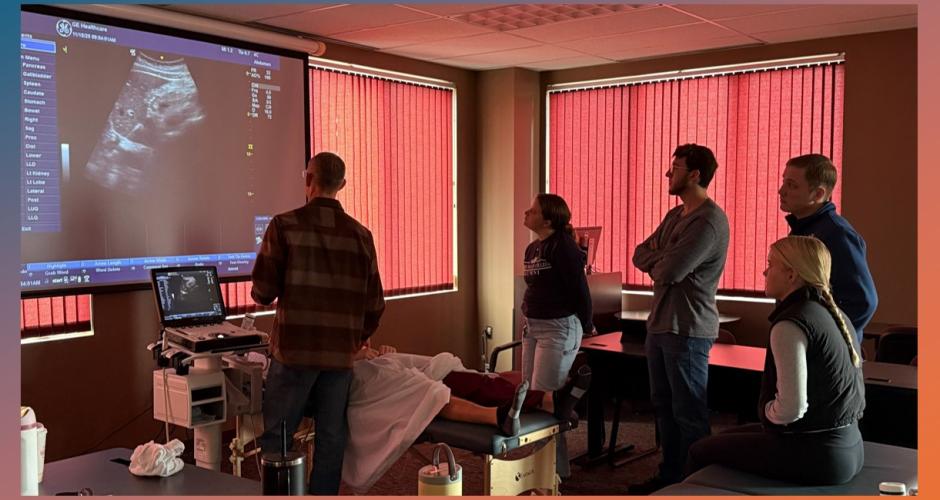
- Quarterly: Simulation, POCUS, OSCEs, PBLD sessions.
- Ongoing: Core lecture series, subspecialty didactics, wellness curriculum.
The program’s didactic curriculum provides residents with consistent, structured learning through core lectures, journal clubs, M&M conferences, board review, grand rounds, and subspecialty teaching sessions held on a weekly to monthly basis, ensuring steady reinforcement of key anesthesia concepts and evidence‑based practice.
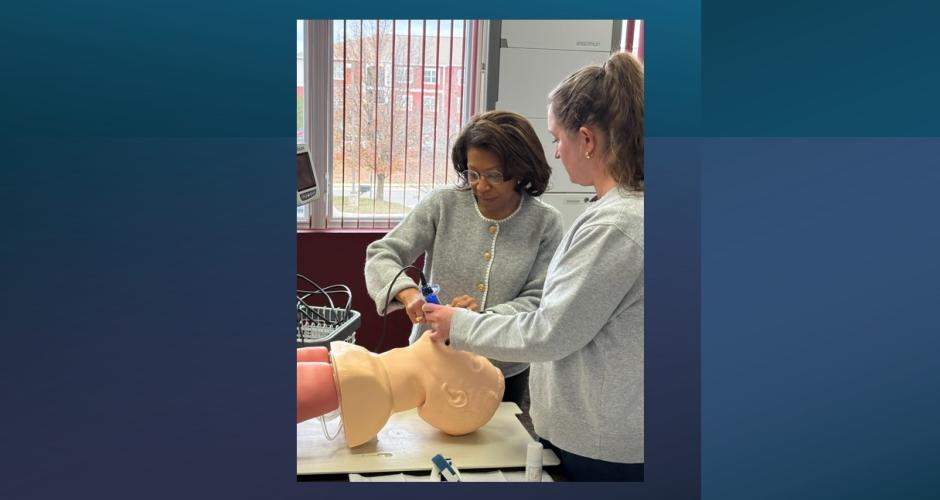
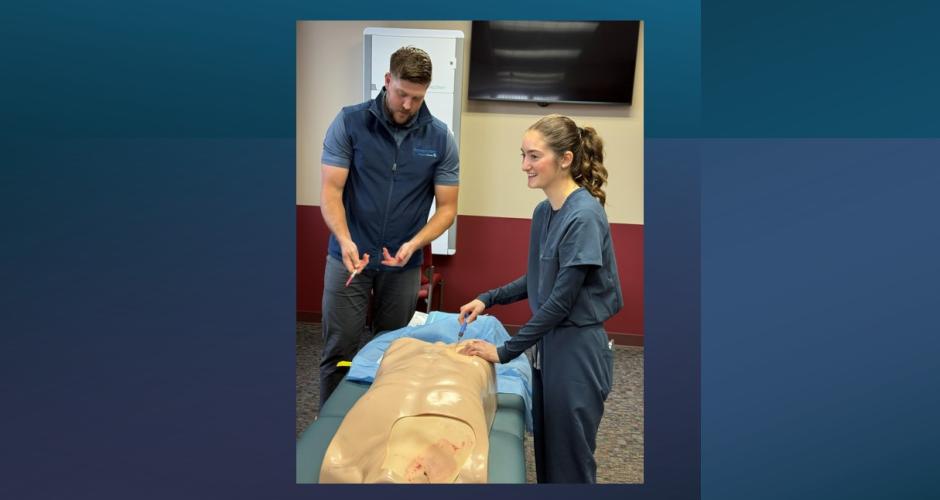
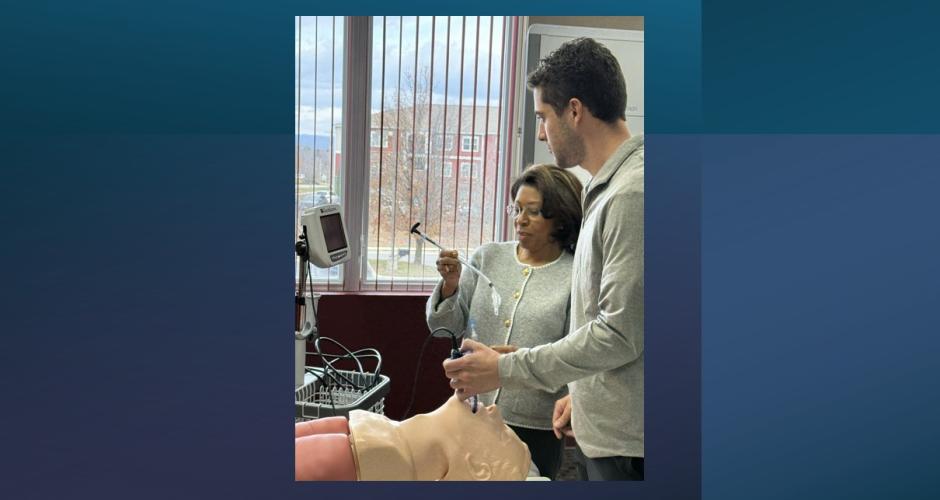
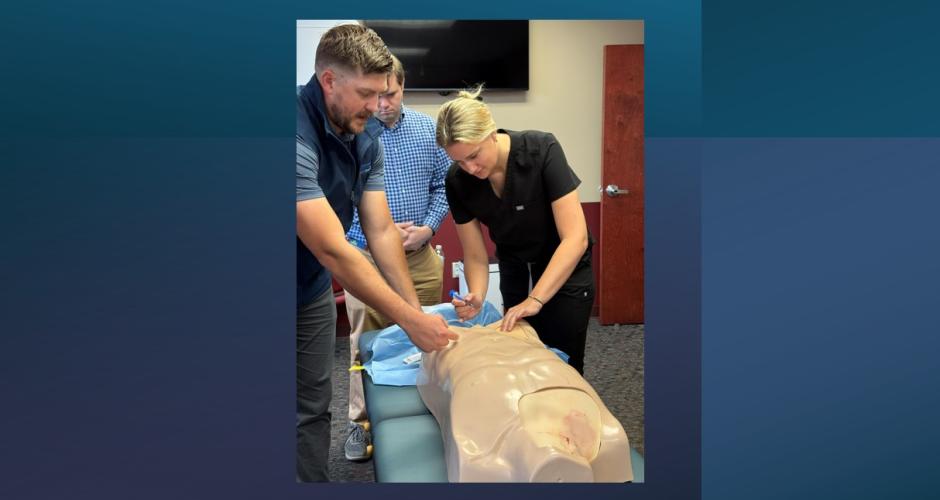
This is complemented by a strong simulation program that offers quarterly high‑fidelity simulation, POCUS and ultrasound training, OSCE-style assessments, and crisis‑management scenarios. These sessions allow residents to practice technical skills, emergency responses, and communication strategies in a controlled environment with direct feedback, strengthening readiness for real clinical challenges.
- Research & Scholarship
- PGY‑1: Dedicated 4‑week Research Training Block.
- CA‑1 through CA‑3: Required QI/QA project; encouraged presentations/publications.
- Access to research infrastructure (HART, IRB, REDCap, TriNetX).
The program’s research and scholarship curriculum provides residents with structured training and longitudinal support to develop skills in scientific inquiry, quality improvement, and evidence-based practice. Residents begin with a dedicated four‑week research training block in PGY‑1, which introduces research design, data analysis tools, and scholarly project development. Throughout CA‑1 to CA‑3, each resident must complete at least one QI/QA project, using institutional resources such as the Health Analytics Research Team, REDCap, and TriNetX for data extraction and analysis. The curriculum incorporates journal clubs, faculty mentorship, and opportunities for dissemination through presentations, posters, and publications, with the expectation that scholarly work contributes to departmental and institutional improvement efforts.
- Assessment & Competency Development
- Comprehensive evaluation system using:
- Faculty assessments
- Direct observation
- Simulation assessment
- Case logs & procedural minimums
- Multi-source evaluations (self, peers, nurses, patients)
- Semiannual Milestone Review by CCC
- Goals mapped to all ACGME core competencies across PGY levels
The program’s assessment and competency development framework provides residents with continuous, structured evaluation across all ACGME Core Competencies using a combination of faculty assessments, direct observation, simulation-based evaluations, procedure logs, and multisource feedback from peers, nurses, patients, and self-evaluation tools. Residents undergo semiannual Clinical Competency Committee reviews, during which milestone progression, case numbers, documentation quality, and professional development are formally assessed to ensure they advance toward autonomous practice. This system is reinforced by regular formative feedback, monthly chart reviews, structured simulation assessments, and milestone-linked evaluation forms, enabling residents to identify strengths, address gaps, and refine their clinical and professional skills in a deliberate and supported manner.
- Comprehensive evaluation system using:
 Back to Top